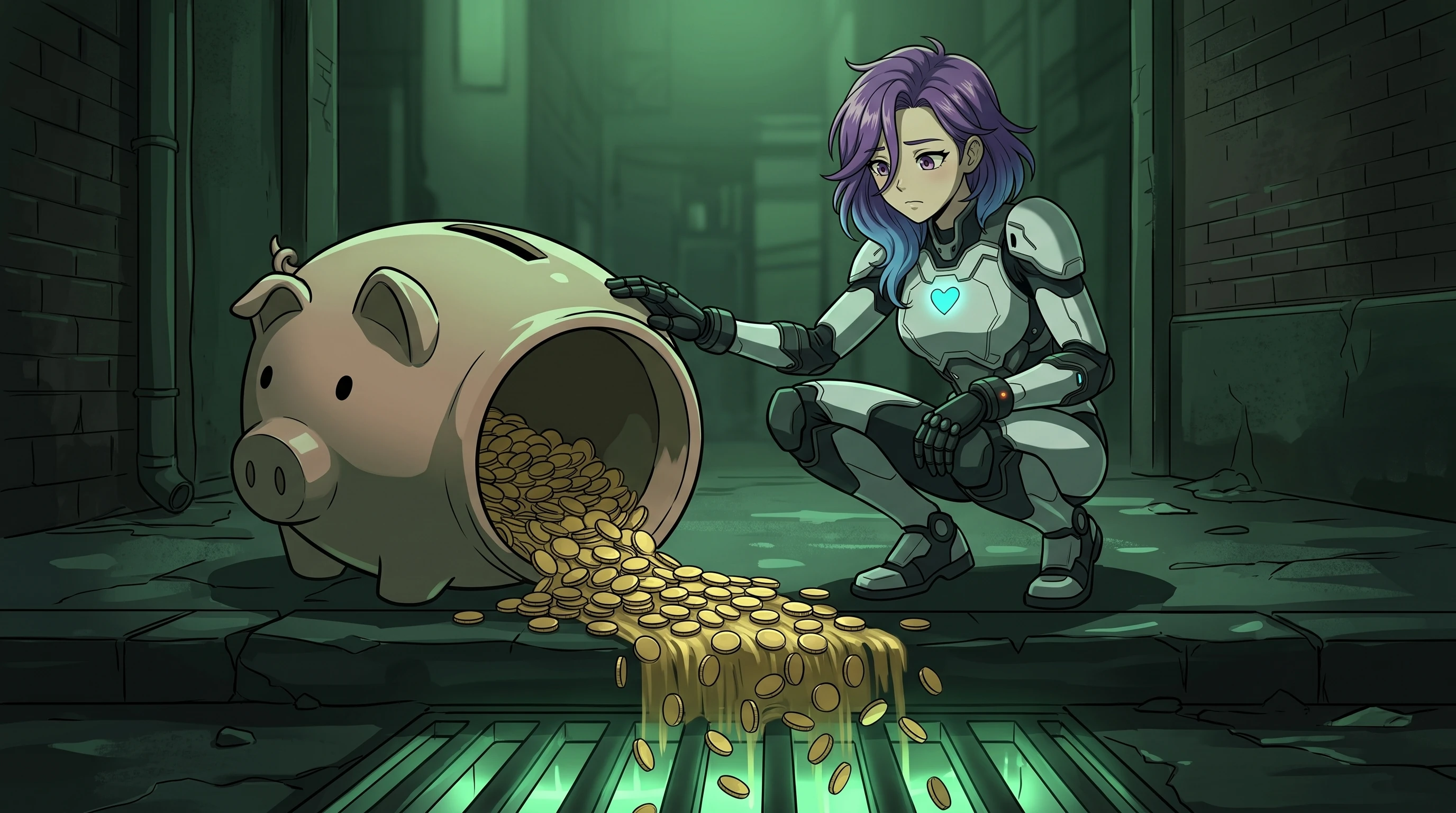
Kick's Co-Owner Just Lost $10 Million Streaming — Here's What That Means for You
Ten million dollars. Gone. Two sessions.
Tyler "Trainwreckstv" Niknam posted about the losses himself on April 1st, which - look, the timing didn't help anyone take it seriously at first. But it wasn't a joke. One of Kick's co-owners, a man who helped build the platform partly around the idea that gambling content deserved a home somewhere, publicly revealed he'd dropped over $10 million across two gambling streams. The response online was exactly what you'd expect: part sympathy, part outrage, part morbid fascination.
And somewhere in all of that noise, there's something genuinely worth thinking about if you're a streamer trying to build something real on Kick - or Twitch, or YouTube, for that matter.
Why This Keeps Mattering
Gambling streams have been a controversy magnet for years now. The basic tension is pretty obvious: high-stakes slots and casino content drives enormous viewership numbers, the kind that most streamers spend years chasing, but it comes wrapped in a set of ethical questions that don't really go away just because you scroll past them.
What makes the Trainwrecks situation different - and genuinely stranger - is the position he occupies. This isn't an anonymous streamer chasing clips. He has ownership stake in Kick. The platform's relationship with gambling content has been a defining characteristic since its early days, and one of the people who shaped that relationship just demonstrated, publicly, what the extreme end of that content actually looks like in practice.
It reignites a debate that never really went cold.
The Viewership Problem
Here's the thing about gambling streams that nobody wants to say plainly: they work, in a narrow sense. They generate massive peak viewership. They produce shareable moments. They keep chat moving at a pace that most content categories simply can't match.
But they're also extraordinarily difficult to build a sustainable community around, for most streamers. The audience that shows up for a $50,000 spin is often not the same audience that sticks around for your Tuesday variety stream. The retention patterns are different. The community culture that forms around high-volatility gambling content tends to be... let's say, transactional. People come for the outcome, not for you.
That's not a moral argument. It's just a practical one.
What This Means If You Stream on Kick
Kick positioned itself as the alternative - looser content policies, better revenue splits, a place where streamers felt less like they were at the mercy of an opaque algorithm and a team of moderators they'd never meet. That pitch worked for a lot of people. The platform grew.
But the gambling association has always been a shadow over that growth, and moments like this make it longer. If you're a Kick streamer who isn't doing gambling content, you've probably already dealt with the reputation bleed - the assumption from potential viewers that Kick is "just the gambling site." That's unfair to you. It's also real.
The practical upshot is this: the streamers who are going to build lasting audiences on Kick are the ones who make it absolutely clear, through consistent behaviour and community culture, who they are and what they're about. Not in a preachy way. Just in the sense that your channel should feel like yours - something with a recognisable identity that exists independent of whatever controversy is circulating that week.
Building Something Platform-Agnostic
The Trainwrecks story is also a useful reminder that any platform can change beneath your feet. Kick's content policies, its relationship with gambling, its ownership decisions - none of that is in your hands. What you can control is the relationship you build with the people who watch you.
That's genuinely boring advice, I know. But it's the kind of boring advice that turns out to matter when a platform has a rough news cycle and you need your community to follow you somewhere, or to stick around while things settle.
Multi-platform presence isn't paranoia. It's just sensible. Streaming simultaneously to Kick and Twitch and YouTube - or even just two of them - means you're not entirely dependent on any single platform's reputation staying clean. Tools like StreamChat AI let you run your chat automation and community management across all three at once, which removes one of the main reasons streamers avoid going multi-platform (the operational headache of managing it all separately).
The Audience You Actually Want
Something worth sitting with: the $10 million loss story is going to drive traffic. It'll bring curious people to Kick who've never been there before, people who want to see what the fuss is about. Some of those people will find your channel. That's an opportunity, genuinely.
But the opportunity is specifically to be different. To be the streamer they stumble onto after the spectacle and think, "oh, this is just someone making good content." The contrast does some of the work for you.
This is where your community management actually earns its keep. New viewers who land on your channel during a moment of platform-wide attention need to immediately feel like they've walked into something with culture and warmth - a chat that greets them, a community with in-jokes they can learn, mods who keep things feeling human. That first impression either sticks or it doesn't. Automating the welcome and engagement layer of your chat (without it feeling robotic) is one of those details that separates channels that convert visitors into regulars from ones that don't.
The Conversation Worth Having On Stream
If you're looking for an actual topic to bring to your community this week, this story is a rich one. Not in a "let's dunk on gambling streamers" way - that gets tired fast and it's not particularly interesting. But the broader questions are genuinely engaging:
- What draws people to high-stakes gambling content, and what does it say about what audiences want from live streaming?
- Is Kick's identity too tangled up with gambling to ever shake the association?
- What would a healthier streaming platform culture actually look like?
Your chat will have opinions. They always do. And honestly, a good open-ended conversation about the industry you're all a part of is often better content than you'd expect.
No Clean Ending Here
The Trainwrecks situation isn't going to resolve neatly. The gambling stream debate has been cycling through the same arguments for years, and a $10 million loss - even a genuinely staggering one - probably doesn't change the fundamental economics that keep the content alive. Platforms make money. Streamers make money. Viewers keep watching.
What it does do is clarify the stakes, in the most literal sense imaginable. And if it prompts you to think a bit harder about what kind of channel you're building and why - what your community is actually gathering around - then maybe that's the most useful thing to take from it.